September 25, 2026 Post by : Editorial Horse Care
Choosing the Right Horse for Pearland's Climate and Lifestyle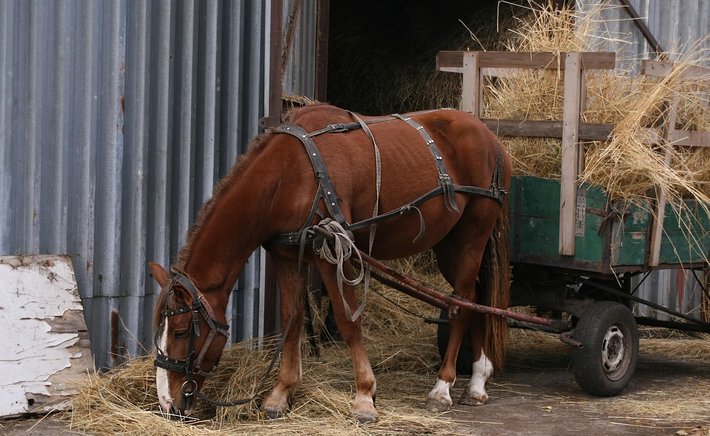
Walk into any feed store around Pearland and you'll see an aisle of bags promising shinier coats, better hooves, and more energy. It's easy to overthink horse nutrition, but the fundamentals are simpler than the marketing suggests. Get forage right first, then adjust everything else around it.
Forage should make up the vast majority of your horse's diet, ideally free-choice hay or quality pasture for most of the day. Horses evolved to graze almost constantly, and their digestive systems work best with small amounts of fiber moving through regularly. That's why a horse left without hay for long stretches is at higher risk for ulcers and colic. In our area, coastal Bermuda is the hay most people feed, and a good batch should be green, smell sweet, and be free of mold and dust. Inspect every load, because Gulf Coast humidity can ruin hay quickly if it wasn't cured properly.
Choosing Hay and Balancing Concentrates
Not all Bermuda is equal. Some is cut late and stemmy, which horses will sort through and waste. If your horse is a hard keeper or in heavy work, you may need alfalfa or a Bermuda-alfalfa mix to add calories and protein. Just remember that alfalfa is rich, and some horses get hot or develop digestive upset on large amounts, so introduce it slowly.
Concentrates, meaning grain or pelleted feeds, should fill gaps rather than form the base of the diet. A horse in light work on good pasture may need nothing more than a ration balancer to supply vitamins and minerals. A horse in harder work or one that struggles to hold weight may need a complete feed or a fortified grain. Read the feeding directions on the bag and weigh your feed with a scale rather than guessing with a scoop, because scoops vary wildly and it's easy to under- or over-feed without realizing it.
Fresh water and free-choice salt are non-negotiable, especially in summer. A horse that isn't drinking enough is a colic risk, and our heat makes that a daily concern. Keep salt available and consider soaking hay or adding water to feed for horses that need extra hydration.
Special Cases and Common Mistakes
Certain horses need tailored programs. Easy keepers, including many ponies and some stock breeds, can founder on rich spring grass, so they often do better on limited turnout and a low-sugar hay. Senior horses may struggle to chew hay and benefit from soaked pellets or a senior feed. Performance horses in training need more calories and electrolytes, but even then, sudden feed changes are a recipe for trouble. Always transition to a new feed over seven to ten days, mixing old and new.
The most common mistakes we see are overfeeding grain, underfeeding forage, and chasing supplements instead of fixing the basics. Before you spend money on a dozen tubs of this and that, make sure your hay is good, your horse has constant access to water, and your deworming and dental care are up to date. A sound feeding program built on quality forage, a balanced ration, and consistency will keep most Pearland horses healthy without any fancy extras.
Author
22 feb,2025
This incident opened my eyes to the value of Insurance in general, so I decided to examine my personal and business insurance.

Comment (3)
The payments are made directly from one person to another without passing through a central bank or clearing house.
22 feb,2025
ReplyFly Control That Actually Works for Pearland Horse Owners
23 feb,2025
ReplyArena and Pasture Maintenance for Small Pearland Properties
23 feb,2025
Reply