September 10, 2026 Post by : Editorial Barn and Property
Boarding vs. Keeping Horses at Home in Pearland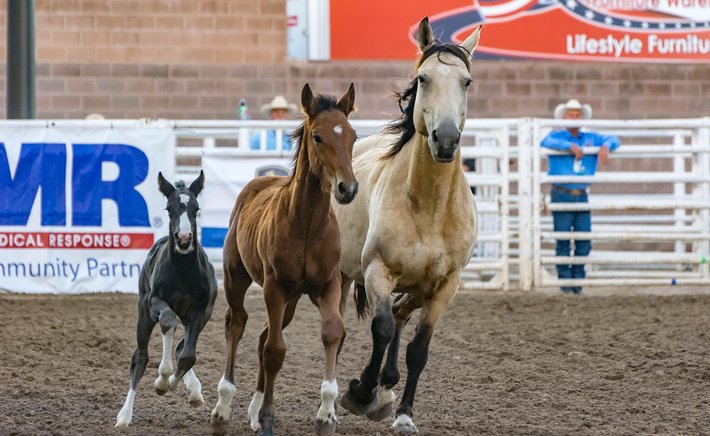
Many Pearland horse owners keep their animals on small acreage — two to ten acres, often carved out of former pasture or farmland. Small properties are wonderful for convenience and daily connection, but they demand more management than large spreads, because every paddock gets more pressure per square foot. With a little planning, a modest place can stay safe, usable, and green through most of the year.
Drainage is the first thing to get right. Our clay soils shed water slowly, and a low corner of a paddock can turn into a bog that stays wet for days after a storm. Look at where water naturally flows and consider grading, shallow swales, or French drains to move it away from high-traffic areas. Gravel or crushed rock around gates, troughs, and along fence lines gives horses a firm place to stand and dramatically reduces mud. It is an investment upfront, but it saves money on hoof problems and lost footing later.
Footing and Fencing That Hold Up
If you have a riding area, footing choice matters. Sand blends that drain well are popular in this region, but depth and base preparation determine whether they stay put. A poorly based arena becomes a dust bowl in dry spells and a swamp after rain. Talk to local contractors who have built arenas in similar soil, and ask to see one they finished a few seasons ago — how it has held up tells you more than any brochure.
Fencing on small properties should be sturdy and highly visible. Pipe, no-climb mesh, or quality wood with hot wire are common choices. Check posts after heavy rains, since saturated ground lets posts shift, and keep gates wide enough for a truck or trailer if you ever need to move animals in a hurry. A small property with good access is far easier to manage in an emergency.
Pasture Rotation on Limited Acreage
Grass is your cheapest feed and your best mud control, but small pastures need rest. Divide what you have into at least two paddocks and rotate, letting each one recover before horses return. In our growing season, a rested paddock can rebound in a few weeks; in winter or drought, it may need months. Do not be afraid to use a dry lot — a sacrifice area with good drainage — during wet periods so the rest of your pasture is not destroyed.
Manage weeds before they seed. Annual ryegrass, bermuda, and native warm-season grasses can be encouraged with proper mowing and light fertilization based on a soil test. Avoid over-fertilizing near ponds or drainage areas, and be cautious with herbicides around horses. If you are unsure, your county extension office can recommend pasture practices suited to our region.
Water and shade deserve year-round attention. Automatic waterers save labor but need regular cleaning, and troughs should be checked daily in summer. Shade trees are precious, but watch for roots that create uneven footing and for limbs that drop in storms. A well-built run-in shed gives horses a dry place to escape sun and rain without confining them.
Small acreage is a balancing act, but it rewards attention. Fix drainage first, rotate your grass, keep footing firm where horses stand, and inspect fences after every big rain. Done consistently, these habits keep a Pearland property comfortable for horses and manageable for the people who love them.

Author

22 feb,2025
This incident opened my eyes to the value of Insurance in general, so I decided to examine my personal and business insurance.

Comment (3)
The payments are made directly from one person to another without passing through a central bank or clearing house.
22 feb,2025
ReplyGroundwork That Builds a Better Partner
23 feb,2025
ReplyHoof Care in Humid Houston-Area Weather: A Pearland Owner's Guide
23 feb,2025
Reply