September 13, 2026 Post by : Editorial Horse Care
Beat the Gulf Coast Heat: Summer Horse Care in Pearland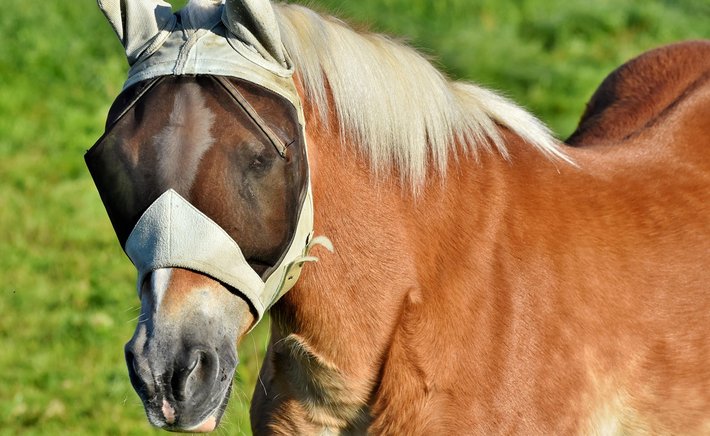
Ask any Pearland horse owner what they dread most about summer, and flies are usually near the top of the list. Our warm, humid climate and long season mean stable flies, horn flies, house flies, and mosquitoes can all be active for most of the year. No single product solves the problem, but a layered strategy keeps horses comfortable and reduces the disease risk that biting insects carry.
Start with manure. Flies breed in moist organic matter, and a pile of manure near the barn is essentially a nursery. If you keep horses at home, remove manure from stalls and paddocks at least every few days, and compost it well away from the barn and pastures. A covered compost pile that heats properly kills many larvae. If you board, ask your barn manager how often manure is hauled away — the answer often explains the fly pressure you see.
Physical and Environmental Controls
Air movement and dryness are your allies. Fans in stalls and run-in sheds keep air moving and help dry out footing where flies rest. Fix leaky troughs and any spot where water pools, since damp areas attract both flies and mosquitoes. Fly traps and sticky tapes can knock down adult populations around barn aisles, but they work best when placed thoughtfully — near ceilings and entryways, not right next to your horse's feed.
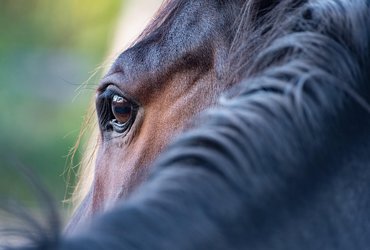
For individual horses, fly masks and fly sheets are among the most reliable tools we have. A well-fitted mask protects eyes and ears from face flies and reduces the irritation that leads to head shaking and rubbed manes. Light-colored fly sheets reflect sun and cut down on biting flies on the body. Check fit daily during peak season, because a rubbing mask or sheet can cause more harm than the flies it blocks.
Repellents, Feed-Throughs, and Timing
Topical repellents work best when applied consistently and rotated so insects do not adapt. Sprays, wipe-ons, and spot-ons each have a place, and many owners find a combination of a daily wipe-on for the face and a longer-acting spray for the body works well. Read labels carefully — some products should not be used on horses in work or under certain conditions, and sensitive horses can react to strongly scented formulas.
Feed-through supplements with ingredients like garlic or diatomaceous earth are popular, and while results vary from horse to horse, some owners notice fewer flies on supplemented horses. They are not a substitute for sanitation, but they can be part of the mix. If you use them, give them several weeks to show an effect and watch for any digestive upset.
Mosquito control deserves special attention because of disease concerns. Eliminate standing water in buckets, tarps, and old tires, and consider encouraging natural predators like dragonflies by keeping a small, well-managed pond or leaving beneficial habitat intact. For horses, a mosquito-repellent wipe in the evening and, where appropriate, vaccination against mosquito-borne diseases as advised by your veterinarian round out the plan.
Finally, accept that perfection is not the goal. A horse that is comfortable, has a clear eye, and is not stomping constantly is a success. Rotate your tools, stay consistent with sanitation, and adjust as the season shifts. Pearland summers are long, but a good fly plan makes them far more bearable — for you and your horse.
Author
22 feb,2025
This incident opened my eyes to the value of Insurance in general, so I decided to examine my personal and business insurance.
Comment (3)
The payments are made directly from one person to another without passing through a central bank or clearing house.
22 feb,2025
ReplyTrail Riding Near Pearland: Where to Go and How to Prepare
23 feb,2025
ReplyNutrition Basics: Feeding Your Horse in South Texas
23 feb,2025
Reply