October 4, 2026 Post by : Editorial Horse Care
Nutrition Basics: Feeding Your Horse in South Texas
If you keep horses anywhere south of Houston, you already know the routine: by late May the air feels like a wet blanket, and by August even the mosquitoes seem to be looking for shade. Pearland sits right in that sweet spot of Gulf Coast humidity, and our horses feel every degree of it. The good news is that with a little planning, summer doesn't have to be miserable for your herd.
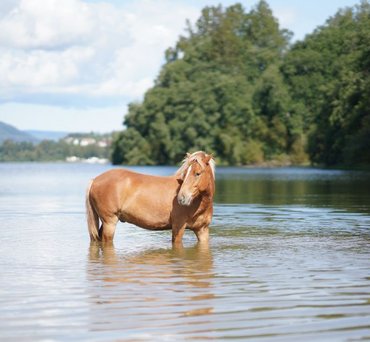
Start with water, and lots of it. A horse can drink anywhere from five to fifteen gallons a day in normal weather, and that number climbs fast when the heat index pushes past 100. Check troughs twice daily, scrub them weekly to cut down on algae, and consider adding a second water source in the pasture so horses lower in the pecking order aren't chased off. If your horse is a picky drinker, a plain white salt block or a small amount of electrolytes in feed can encourage intake, but always offer fresh water alongside.
Timing Rides and Turnout Around the Heat
The single biggest change most Pearland riders can make is simply moving their schedule. Ride before 9 a.m. or after 7 p.m., when the sun is low and the humidity hasn't peaked. Midday turnout sounds generous, but a horse standing in full sun with no breeze is at real risk for heat stress. If your pasture has mature trees, rotate your herd toward that shade. If it doesn't, a run-in shed with good airflow is worth every penny.
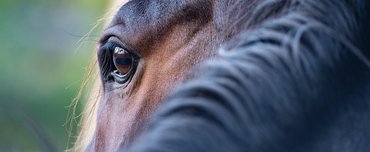
Watch for the warning signs of overheating: heavy flared breathing that doesn't slow within ten minutes, skin that stays hot to the touch, refusal to drink, or a dull, distant look in the eye. A horse that stops sweating entirely is in serious trouble and needs a vet immediately. For everyday cooling, a hose-down with cool water over the major muscles and under the neck works better than most people expect. Scrape off the excess water so it doesn't trap heat, and let the horse stand in front of a fan if you have one.
Feed, Feet, and the Little Details
Hot weather changes how horses eat. Heavy concentrates can increase internal heat production, so many owners in our area shift to more forage and smaller, more frequent grain meals during summer. Fresh grass is fine, but watch rich spring and summer pasture for signs of founder, especially in easy keepers. Sand colic is also a real concern on sandy Gulf Coast soils, so a psyllium regimen every few weeks is a common practice around here.
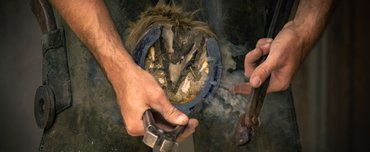
Hoof care matters more in summer too. Dry, cracked ground followed by sudden thunderstorms creates the classic wet-dry cycle that leads to abscesses and thrush. Pick out hooves daily, keep stalls dry, and talk to your farrier about whether your horse needs a summer shoeing schedule change.
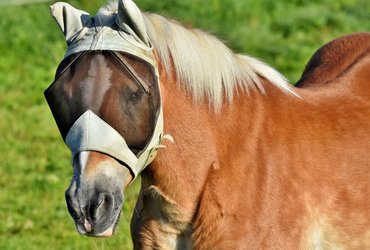
Finally, don't forget the bugs. Mosquitoes, flies, and gnats are relentless in Pearland, and they can spread disease and drive horses to the point of injury from stomping. Fly masks, fly sheets, and a good repellent rotation go a long way. With shade, water, smart scheduling, and a watchful eye, your horse can come through a Texas summer healthy and ready for fall.
Author
22 feb,2025
This incident opened my eyes to the value of Insurance in general, so I decided to examine my personal and business insurance.
Comment (3)
The payments are made directly from one person to another without passing through a central bank or clearing house.
22 feb,2025
ReplyHoof Care in Humid Houston-Area Weather: A Pearland Owner's Guide
23 feb,2025
ReplyChoosing the Right Horse for Pearland's Climate and Lifestyle
23 feb,2025
Reply