September 19, 2026 Post by : Editorial Horse Care
Arena and Pasture Maintenance for Small Pearland Properties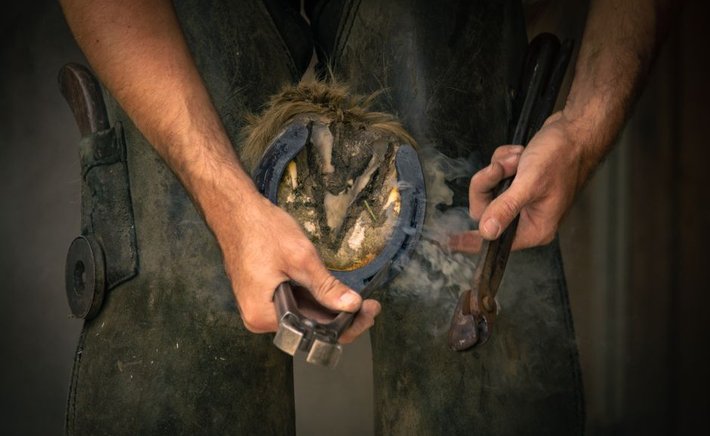
If you keep a horse anywhere in the Pearland area, you already know that our climate asks a lot of hooves. Between the muggy summers, the occasional week of nonstop rain, and the black clay soil that holds moisture long after the sky clears, hooves here live in a near-constant state of damp-then-dry cycling. That cycle is exactly what opens the door to crumbling walls, thrush, and abscesses. The good news is that none of this is inevitable. A steady routine, adjusted for the season, keeps most Pearland horses sound and comfortable.
Start with the basics: pick out hooves daily, not just before a ride. In our humidity, packed mud and manure in the sole and sulcus trap moisture against the frog, which is precisely where thrush likes to start. A quick daily cleaning lets you smell trouble early, and the characteristic sweet, rotten odor of thrush shows up long before your horse takes a lame step. If you notice deep cracks in the central sulcus or black, tarry discharge, treat it rather than waiting for it to resolve on its own.
Working With Your Farrier Through Wet and Dry Seasons
Most Pearland-area farriers recommend a six-week schedule, but our weather sometimes argues for flexibility. After a long wet stretch, hooves soften and shoes can loosen; after a dry spell, they harden and chip. Ask your farrier whether a slight adjustment to the interval makes sense during the wettest months. If your horse goes barefoot, keep him on a trim schedule anyway — long toes stretch the white line and invite separation, especially when the ground is soft and the hoof is constantly flexing.
Consider what your horse stands on the rest of the day. A paddock that stays ankle-deep in mud is a hoof-care problem no farrier can fix. If your property holds water, look at grading, adding crushed rock or gravel around gates and water troughs, or creating a sacrifice area with a firm base. Dry footing for even part of the day makes a measurable difference over a season.
Daily Habits That Pay Off
Beyond picking and trimming, a few small habits go a long way. Keep stalls clean and bedding dry, because ammonia degrades hoof horn. Use a hoof dressing sparingly — in humid climates, heavy oil-based products can actually seal in moisture rather than keep it out. Many owners here do better with a light application of a water-based conditioner once or twice a week than with daily oiling.
Watch for abscesses after rain events. A horse that suddenly refuses to bear weight on one foot, with a strong digital pulse and heat in the hoof, likely has an abscess brewing. Soaking and poulticing under veterinary guidance usually resolves it, but recurring abscesses deserve a closer look at diet, footing, and trimming.
Finally, feed the hoof from the inside. Balanced minerals, particularly zinc and biotin-rich ingredients, support horn quality over time. No supplement replaces good management, but combined with dry footing, daily picking, and a reliable farrier, it helps Pearland horses grow the kind of hoof that handles our climate instead of fighting it.
Author

22 feb,2025
This incident opened my eyes to the value of Insurance in general, so I decided to examine my personal and business insurance.

Comment (3)
The payments are made directly from one person to another without passing through a central bank or clearing house.
22 feb,2025
ReplyBeat the Gulf Coast Heat: Summer Horse Care in Pearland
23 feb,2025
ReplyBoarding vs. Keeping Horses at Home in Pearland
23 feb,2025
Reply